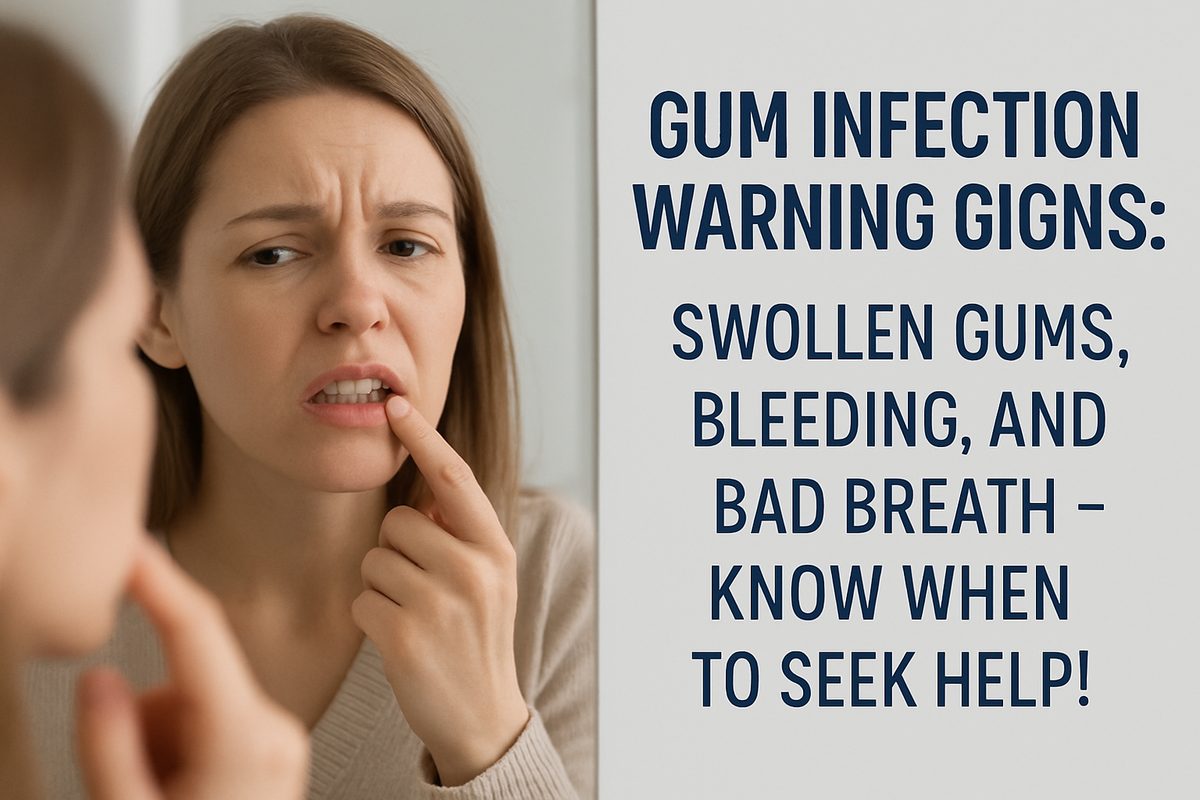
If you think you have a gum infection, act now — knowing how to help a gum infection can stop mild symptoms from becoming an emergency. This post lists safe first steps you can take at home, clear warning signs to watch for, and when to see a specialist in Bradenton, FL.
Common signs of a gum infection
– Red, swollen, or tender gums
– Bleeding when brushing or flossing
– Persistent bad breath or a bad taste in the mouth
– Pus around the gum line or between teeth
– Loose teeth or changes in bite
– Fever or general illness.
Many symptoms start mild and get worse over days to weeks. Treat early.
How to help a gum infection right now — safe at-home steps
Saltwater rinses and oral irrigation
Mix 1/2 to 1 teaspoon of salt in 8 ounces of warm water. Rinse gently for 30 seconds and spit. Do this 2–3 times a day to reduce bacteria and soothe tissues. Avoid using hydrogen peroxide or undiluted antiseptics without professional advice.
Gentle cleaning: brushing and flossing
Use a soft-bristled brush and clean twice daily. Floss gently to remove trapped food and plaque; do not force floss into swollen pockets. Keeping plaque under control prevents the infection from worsening.
Pain control and short-term measures
Take OTC pain relievers like ibuprofen or acetaminophen as directed. Apply a cold compress to the cheek for 10–15 minutes to reduce swelling. Avoid tobacco, alcohol, and spicy foods. Topical numbing gels can help briefly, but do not treat the infection. Include this exact guidance if you’re asking how to help a gum infection in Bradenton, FL — these steps can buy time before professional care.
What NOT to do
– Don’t ignore growing swelling or fever.
– Don’t apply heat to an infected face — heat can spread infection.
– Don’t attempt DIY incisions or drainage.
– Don’t stop prescribed antibiotics early; finish the full course.
Red flags — when to get urgent professional care in Bradenton, FL
Seek immediate care or go to the ER if you have rapid facial swelling, trouble breathing or swallowing, spreading redness, high fever, uncontrolled pain, or loose permanent teeth. Call a dentist right away if symptoms worsen despite home care.
Treatment options a periodontist may recommend
Deep cleaning: scaling and root planing ± antibiotics
A periodontist will remove plaque and tartar below the gum line to reduce bacteria. Short courses of antibiotics may be used when the infection is severe.
Laser therapy and advanced periodontal procedures
Laser treatments like LANAP® can remove infected tissue with less discomfort. For advanced damage, surgery, tissue grafting, or tooth removal with implant planning may be necessary.
Simple steps to prevent future gum infections
Brush twice daily, floss once daily, use antimicrobial rinses when advised, attend regular cleanings, quit tobacco, and manage diabetes or other health issues. Routine periodontal checks catch problems early.
About Eastman Craighead Periodontics — expertise near Bradenton, FL
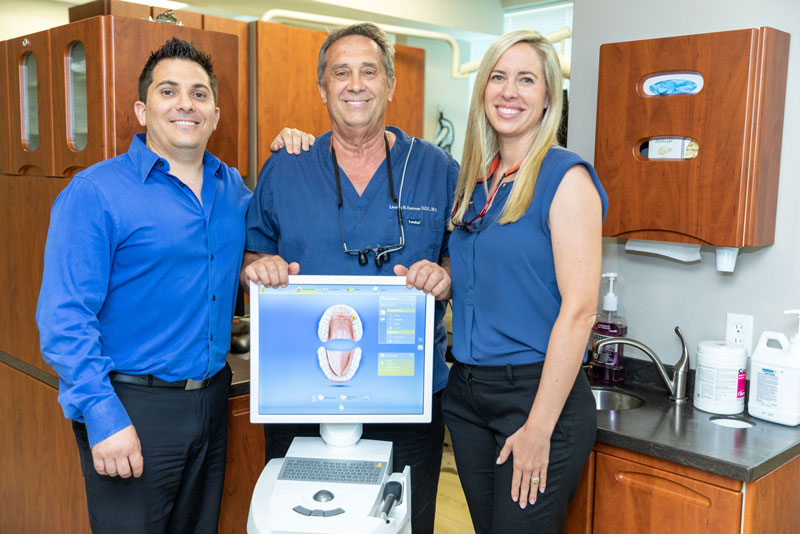
Eastman Craighead Periodontics has provided periodontal care for over 40 years near Bradenton, FL. The team includes Dr. Lindsay Eastman, Dr. Justin Craighead, Dr. Christie Craighead, and Dr. Rachael Voigt. They offer LANAP®, 3D imaging, computer-guided implant surgery, advanced grafting, and RN‑monitored sedation to improve outcomes and comfort.
Find care today — locations serving Bradenton, FL
If you have red flags or persistent symptoms, call or book an exam online. Offices serve Bradenton, FL, from Lakewood Ranch (southeast unincorporated Bradenton) and West Bradenton. Financing and RN‑monitored sedation options are available for appropriate cases.