If you’ve ever heard the terms dental caps vs crowns and wondered if they mean the same thing, you’re not alone. Both words refer to a restoration that covers a damaged or weakened tooth to restore its shape, strength, and appearance. Knowing the difference—or lack thereof—matters for your dental health and when choosing the right treatment. This guide explains the differences between dental caps and crowns, when you might need one in Bradenton, FL, the materials available, the procedure and timeline, costs and insurance basics, how to care for them, and how to choose the best option for your smile.
Dental Caps vs Crowns: Simple Definitions
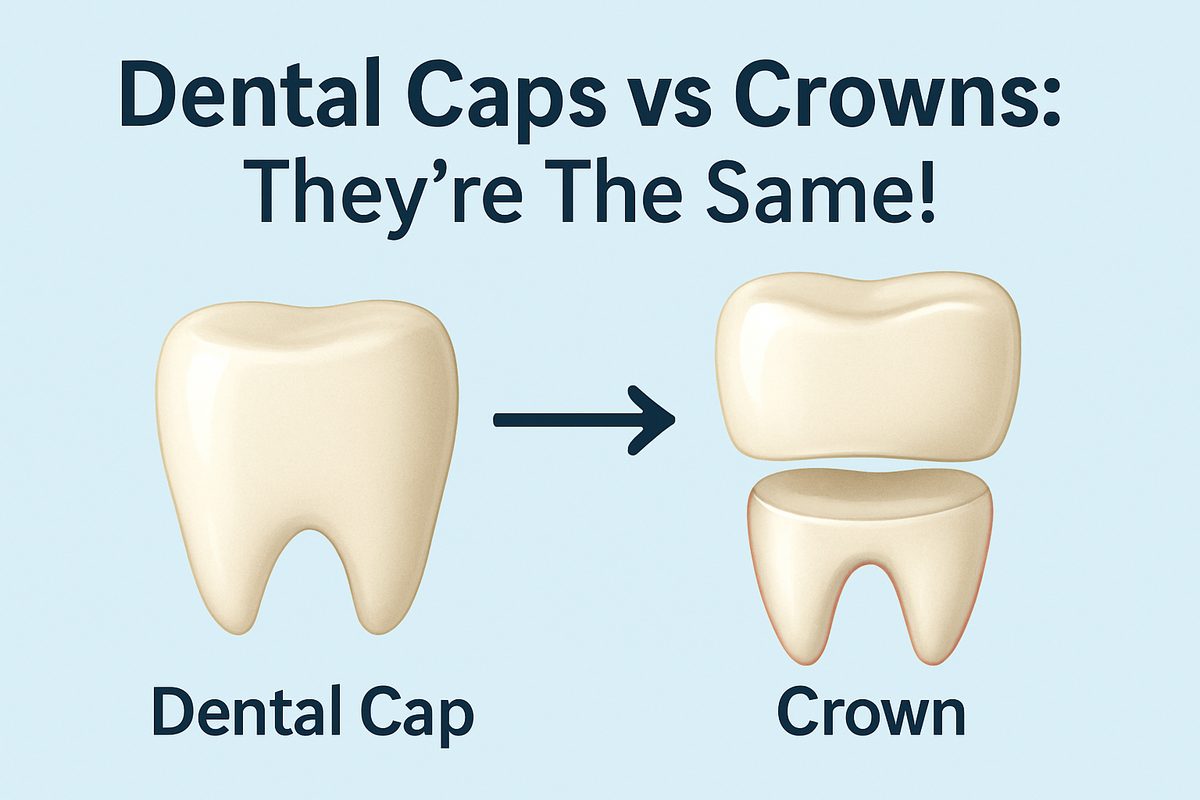
Most dentists use the word “crown,” while many patients say “cap.” In practice, dental caps vs crowns refer to the same thing: a cover that encases a tooth above the gum line. Patients often say “cap” in casual conversation, while dental professionals say “crown” in clinical settings. Both are made to protect teeth that are cracked, worn, decayed, or cosmetically flawed.
Dental Caps vs Crowns in Bradenton, FL: When You Need One
Repairing a damaged tooth
A crown or cap restores a tooth after it’s been broken, cracked, or has a large filling. The restoration holds the tooth together, prevents further damage, and lets you chew normally. If a tooth is weakened by wear or injury, a crown is often the most reliable long-term solution.
After root canal or large fillings
Teeth that have had root canals or very large fillings are more brittle and prone to fracture. Placing a crown after major restorative work helps protect the tooth and extend its lifespan. Your dentist will recommend a crown when the remaining tooth structure is insufficient for a simple filling.
Cosmetic improvement
Crowns can also improve color, shape, and alignment. For front teeth that are discolored, misshapen, or uneven, a crown provides a durable and natural-looking solution. When choosing between dental caps vs crowns in Bradenton, FL, for cosmetic reasons, the material choice and shade matching are key.
Materials & Types: What Your Crown/Cap Can Be Made Of
All-ceramic / zirconia
All-ceramic and zirconia crowns resemble natural teeth the most and are suitable for front teeth. They resist staining and offer excellent esthetics. Zirconia is very strong, but some people find it can be less translucent than natural enamel.
Porcelain-fused-to-metal (PFM) & metal crowns
PFM crowns combine strength and appearance, featuring a metal base for durability and porcelain layered for a tooth-like appearance. Metal crowns (gold or alloys) are very strong and long-lasting, often used for molars where appearance is less critical.
Temporary caps vs permanent crowns
Temporary caps protect the tooth while the permanent crown is made. They are not as durable or aesthetically pleasing as the final restoration and are intended for short-term use. Permanent crowns are custom-made to fit, match your bite, and blend with your smile.
Procedure & Timeline for a Crown/Cap
Exam, imaging, and treatment planning
Your first visit includes an exam, X-rays or 3D scans, and a discussion of goals. The dentist evaluates tooth structure, bite, and neighboring teeth to recommend the best material and design.
Tooth preparation and impressions (or digital scans)
The dentist removes damaged or weakened tooth structure and then shapes the tooth to accommodate the crown. A digital scan or impression is taken, and a temporary cap is placed while the permanent crown is made—usually in 1–3 weeks.
Final placement and follow-up
At the final visit, the permanent crown is checked for fit, color, and bite, then cemented in place. Mild sensitivity is common for a few days. You’ll get instructions on care and follow-up to monitor function and gum health.
Cost & Insurance: Dental Caps vs Crowns in Bradenton, FL
Crown costs vary depending on the material and complexity. In Bradenton, FL, expect lower-cost metal crowns, with mid-range PFM crowns also available. All-ceramic and zinc crowns are often more expensive. Factors that raise cost include the need for a root canal, post and core, extractions, or grafting. Many dental insurance plans cover part of a crown after a deductible, often at a restorative benefit level rather than full coverage. Ask your dental office for an estimate and check benefits before treatment.
Care, Lifespan & Signs You Need Replacement
With good oral hygiene, crowns can last 10–15 years or longer. Brush twice daily, floss around the crown, and refrain from chewing hard items. See your dentist regularly for exams and cleanings. Replacement signs include pain, looseness, chips or cracks, recurrent decay at the margins, or a dark line appearing at the gum next to older PFM crowns.
How to Choose: Cap or Crown for Your Smile?
Decide based on the tooth’s location, bite forces, aesthetic goals, budget, and overall oral health. Front teeth often favor all-ceramic restorations for their appearance; back teeth may require stronger metals or zirconia. Ask whether a specialist (periodontist or prosthodontist) is needed for complex cases like short clinical crowns, severe gum issues, or full-mouth reconstruction.
About Eastman Craighead Periodontics
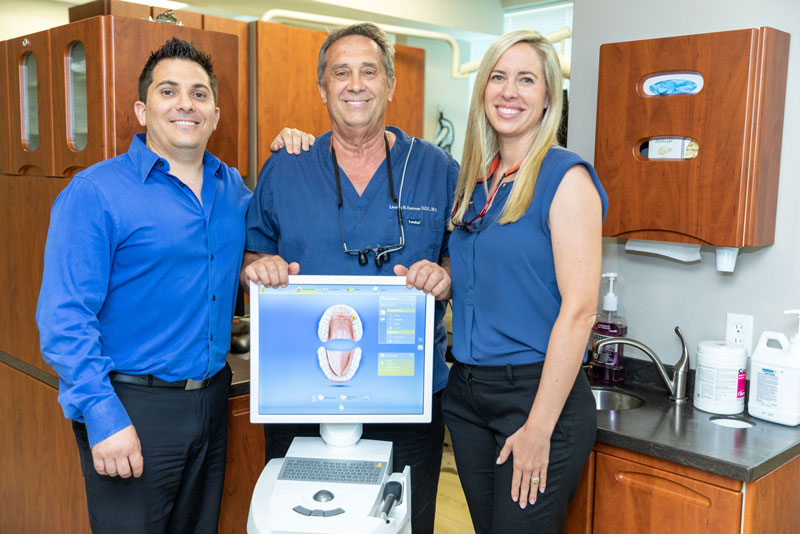
Eastman Craighead Periodontics brings decades of specialist experience to complex periodontal and implant care. The team—Dr. Lindsay Eastman, Dr. Justin Craighead, Dr. Christie Craighead, and Dr. Rachael Voigt—use advanced technology like computer-guided implant surgery, LANAP®, pinhole techniques, 3D imaging, and sedation with RN monitoring to deliver precise, minimally invasive care. Their focus is personalized treatment planning to restore function, health, and confidence with predictable results.
Ready to Decide? Schedule a Consult in Bradenton, FL
If you’re weighing dental caps vs crowns in Bradenton, FL, book a consult to review options, materials, and pricing. Eastman Craighead Periodontics sees patients at two Bradenton locations: Lakewood Ranch (southeast unincorporated Bradenton) and an office near West Bradenton. Call or book online to get a personalized plan and next steps for your smile.