Recognizing the periodontitis stages early can be the difference between a simple cleaning and losing a tooth. It often starts quietly, with a little bleeding when you floss or breath that never seems fresh, so it’s easy to brush off.
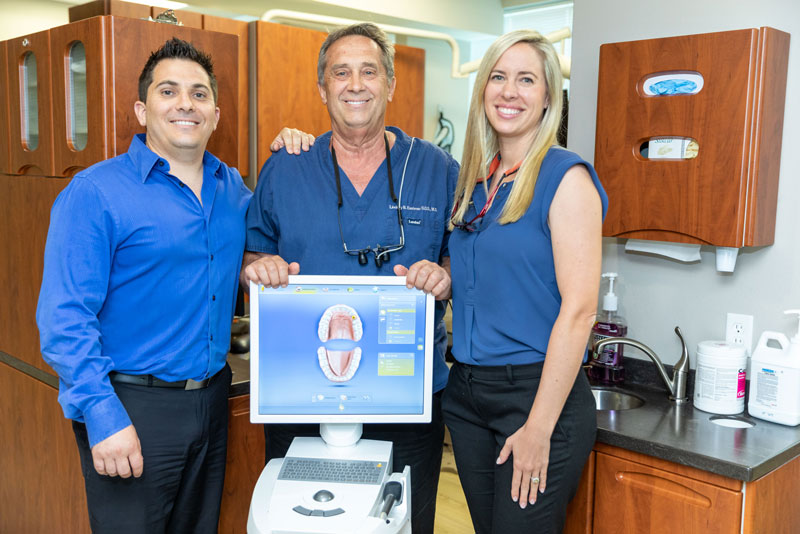
Periodontitis is a multi-stage gum disease that can seriously affect your oral health if it isn’t treated. As a periodontal and dental implant practice in Bradenton and Lakewood Ranch, FL, Eastman Craighead Periodontics has focused on gum disease prevention and treatment for over four decades.
Understanding Periodontitis
Periodontitis begins as gingivitis, a mild gum inflammation often caused by plaque left behind along the gum line. When it’s caught early and managed, gingivitis is reversible. If it keeps progressing, it becomes periodontitis, which destroys the structures that support your teeth, including the gum attachment and bone.
Why Periodontitis Matters
Understanding the periodontitis stages matters because this disease doesn’t just cause tooth loss. It has also been linked to systemic conditions like heart disease and diabetes. Catching it early and treating it helps prevent complications and protects your quality of life.
The Early Stage of Gingivitis
The earliest sign of gum disease is gingivitis. Red, swollen gums and minor bleeding when you brush or floss shouldn’t be ignored. They mean harmful bacteria are building up and starting to irritate your gum tissue. Many people think a little blood is normal. It isn’t.
Steps for Prevention
The key to stopping gingivitis is better oral hygiene and regular dental checkups. Brushing twice a day, flossing daily, and professional cleanings remove the plaque before it hardens into tartar. With in-office cleanings and good home care, this stage can be reversed.
Stage 1, Initial Periodontitis
If gingivitis keeps progressing, it becomes initial periodontitis. The inflammation moves deeper, small pockets start to form between the teeth and gums, and minor bone loss begins. You may not feel much pain at this point, which is why regular exams matter.
Initial Treatment Approaches
At this stage, deep cleaning procedures like scaling and root planing become essential to remove bacteria below the gum line and smooth the root surfaces so the gums can reattach. For some patients, LANAP laser gum treatment may also be an option.
Stage 2, Moderate Periodontitis
In this stage, the supporting bone keeps breaking down, and the gums can recede noticeably. You might notice teeth that feel slightly loose, food getting stuck in new spaces, or a bite that feels different when you chew.
Addressing Moderate Periodontitis
Along with scaling and root planing, your periodontist may recommend laser treatments to remove infected tissue and promote healing. LANAP is minimally invasive, and many patients return to their normal activities the same day.
Stage 3, Advanced Periodontitis
Gum recession, deep periodontal pockets, and severe bone loss mark this stage. Teeth can become very loose, and painful abscesses can form. Some people notice pus around the gums, constant bad breath, or teeth that have shifted and opened up gaps.
Advanced Treatment Options
Surgical treatment such as flap or osseous surgery may be needed to clean deep pockets and reshape damaged bone. When teeth can’t be saved, Eastman Craighead Periodontics offers computer-guided implant surgery and tissue engineering to help restore function and appearance.
Gum Disease Prevention Techniques
Preventing periodontitis starts with excellent daily hygiene. Brushing with a soft brush, flossing or using a water flosser, and seeing your dental team regularly are the basics that keep your gums healthy. Quitting tobacco and managing conditions like diabetes also make a big difference.
The Role of Regular Checkups
Regular dental visits allow for a personalized exam and early treatment, which supports your gum disease prevention. If anxiety has kept you from the dentist, ask about sedation dentistry, so fear doesn’t stand between you and the care you need.
Why Early Diagnosis Matters
Finding periodontitis in its early stages makes it much easier to manage. Early diagnosis usually means less invasive treatment, fewer visits, and better long-term results.
Enhancing Your Oral Health
Treating periodontitis early can save teeth and improve your overall oral health, helping you avoid the systemic complications linked to advanced gum disease.
FAQs About Periodontitis Stages and Gum Health
What are the early signs of periodontitis?
Early signs include bleeding gums, swelling, tenderness, and persistent bad breath.
How can I prevent gum disease?
Keep up with good oral hygiene, eat a balanced diet, avoid tobacco, and visit your dental team regularly.
Are periodontal treatments covered by insurance?
Many periodontal treatments are covered by insurance, but it’s best to check with your provider. Eastman Craighead Periodontics can help with insurance claims and offers financing options.
What should I expect during a periodontal evaluation?
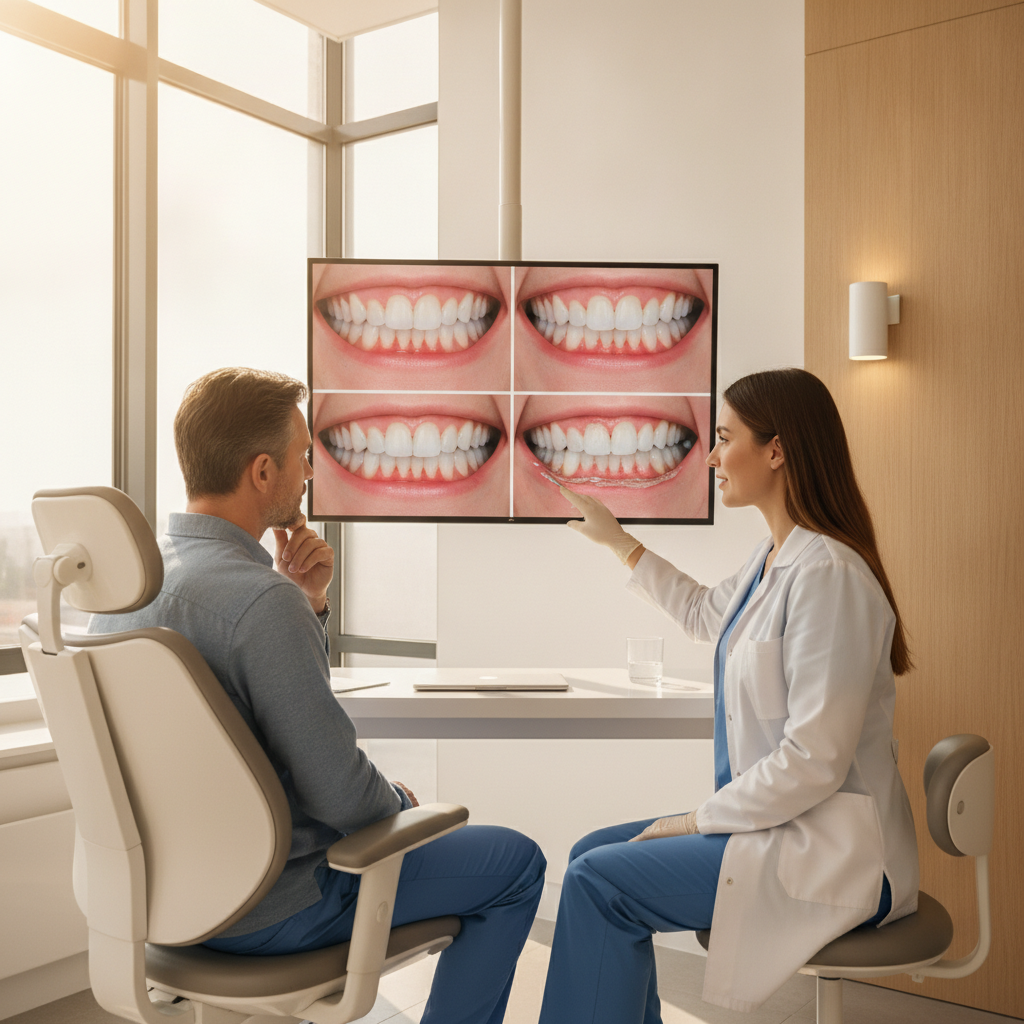
Expect a thorough exam of your gums, teeth, and jawbone, including gentle measurements of the pockets around your teeth, to find out whether you have gum disease and what stage it’s in.
Keeping Your Gums Healthy for Years to Come
Taking care of your gums is a step toward better overall health. If you notice symptoms of gum disease, consider scheduling a consultation with Eastman Craighead Periodontics. Focused on periodontal care and oral surgery, implant dentistry, and advanced procedures, our team is ready to help.
Appointments are available at our Bradenton and Lakewood Ranch offices, so reach out today and let us help you catch the periodontitis stages early and protect your smile.