
Knowing the 4 stages of periodontitis can help you catch gum disease before it costs you a tooth. It often starts with nothing more than gums that bleed a little when you floss, which is easy to shrug off.
Periodontitis is common but often overlooked, and it can quietly move from one stage to the next, affecting your oral health and your overall well-being. Here’s what each stage looks like and how it’s treated.
The Silent Onset of Gingivitis
Gingivitis is the earliest stage of periodontal disease, and it works like a quiet warning. It usually starts with plaque building up along the gum line. Symptoms include red, swollen gums that bleed easily, especially when you brush or floss.
Many people assume a little pink in the sink is normal, but it’s not. If gingivitis isn’t treated, it can advance, which is why regular dental checkups are so important for catching periodontal disease early. The good news is that this stage is reversible with good home care and professional cleanings.
The Progression to Mild Periodontitis
Mild periodontitis happens when gingivitis isn’t treated. The inflammation moves deeper below the gum line and can start to damage the structures that support your teeth. You might notice mild gum recession or minor discomfort, but many people don’t feel much at all.
This is a critical point where professional periodontal disease treatments can stop the disease from getting worse.
Moderate Periodontitis Is an Alarm for Action
In moderate periodontitis, the damage to gum and bone becomes more noticeable. The pockets between your gums and teeth get deeper, letting more food and bacteria slip in. Symptoms often get worse, with bad breath that doesn’t go away, more bleeding, and gums that feel sensitive when you eat.
Why Moderate Periodontitis Matters
The longer this stage goes on, the more bone you can lose around your teeth. Timely treatment is what helps preserve your oral health and keep your natural teeth.
Severe Periodontitis Needs Critical Intervention
This advanced stage of periodontitis can cause major tissue and bone loss, loose teeth, and even tooth loss if it isn’t treated right away. Signs include deep pockets, pus around the gums, severe bad breath, and a bite that changes as teeth shift. Some people notice new gaps between their front teeth or have trouble chewing.
At this stage, professional periodontal disease treatments tailored to the severity of your condition and your comfort become essential.
Periodontal Disease Treatments Explained
Treatment for periodontal disease depends on the stage and severity, from non-surgical care like scaling and root planing to surgery when needed. The team at Eastman Craighead Periodontics draws on decades of experience to create treatment plans that fit each patient’s needs.
Non-Surgical Options
Non-surgical treatments include deep cleaning to remove plaque and tartar below the gum line, which helps the gums heal and reduces inflammation. Antibiotics in a rinse or gel may also be used if there’s infection. LANAP laser gum surgery is another minimally invasive option, and many patients go back to their normal activities the same day.
Surgical Approaches
In more advanced cases, procedures like flap surgery or bone grafts may be recommended to restore the foundation of your teeth and gums. Osseous surgery cleans deep pockets, removes diseased tissue, and reshapes damaged bone so the area is easier to keep clean.
Leveraging Advanced Technology for Better Outcomes
At Eastman Craighead Periodontics, technology plays a big role in treatment. Computer-guided implant surgery and tissue engineering help make treatment more precise, supporting comfort and recovery.
The Benefits of Technology
Advanced tools allow for minimally invasive procedures that can reduce discomfort and improve results, which makes the whole experience feel more reassuring. Sedation options, from nitrous oxide to IV sedation, help anxious patients feel calm.
FAQs About the 4 Stages of Periodontitis
What is periodontitis?
Periodontitis is a serious gum infection that damages the soft tissue and, if not treated, can destroy the bone that supports your teeth.
How is periodontitis different from gingivitis?
Gingivitis comes first. It involves gum inflammation without bone loss, while periodontitis involves damage to both the gums and the bone.
What are the risk factors for periodontitis?
Common risk factors include smoking, diabetes, poor oral hygiene, and genetics.
Can periodontitis be cured?
The damage from periodontitis can’t always be fully reversed, but treatment and regular maintenance can stop it from getting worse and help you keep your teeth.
Taking the Next Step With Eastman Craighead Periodontics
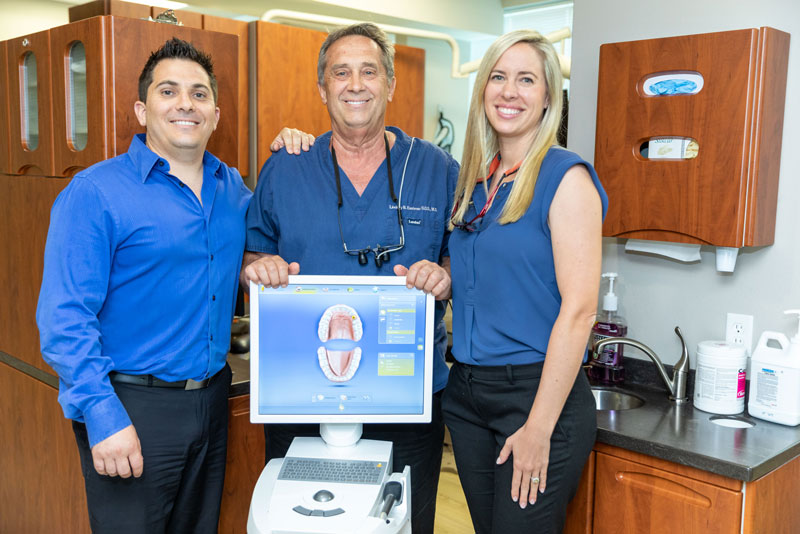
With more than 40 years of experience serving Bradenton and Lakewood Ranch, FL, Eastman Craighead Periodontics is committed to periodontal care built around individualized treatment plans and advanced technology. If you’re noticing signs of gum disease or just want to keep your gums healthy, don’t hesitate to reach out.
Schedule your consultation with Eastman Craighead Periodontics today, and let us help you understand where you are in the 4 stages of periodontitis.